A House Nearly Two Centuries in the Making
The Story of Lucy’s House
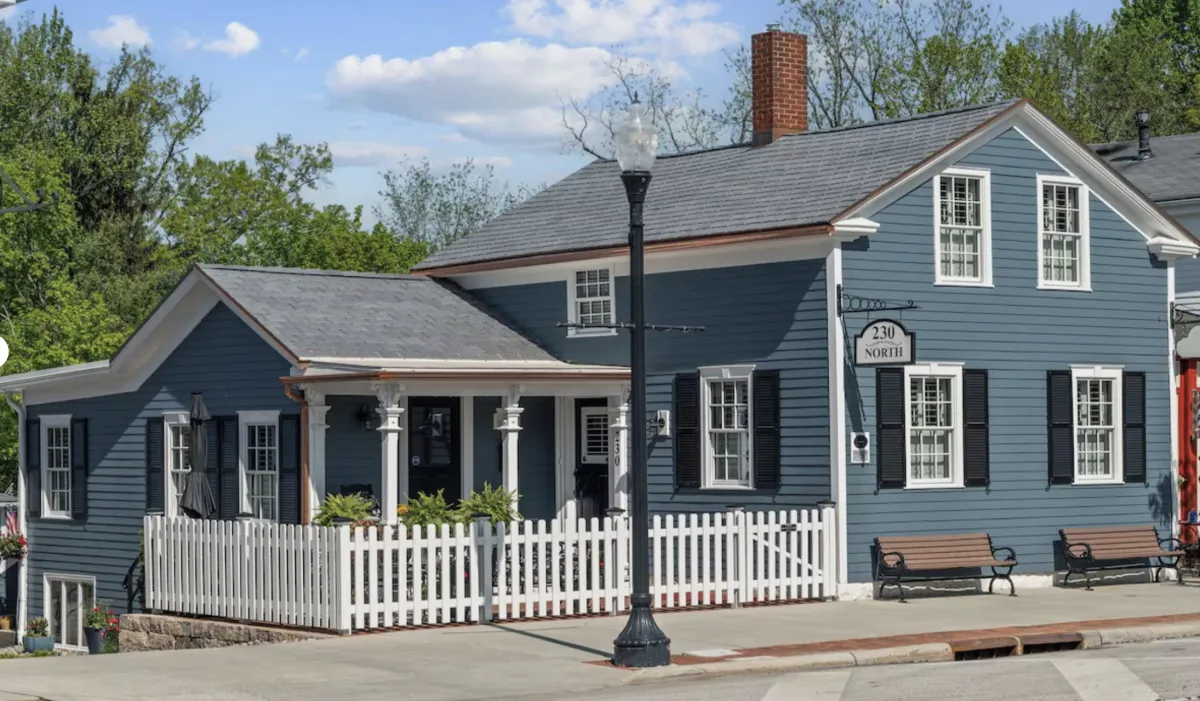
Built in 1837, Lucy’s House has stood on North Main Street through nearly two centuries of Hudson history.
The Greek Revival farmhouse has been home to an independent nineteenth-century businesswoman, an immigrant diarist, an adopted daughter, local merchants, a Hudson town marshal and Clock Master, and generations of residents and businesses.
Each chapter adds another layer to the story of the home and the community that grew around it.
(pictured is Lucy's House in 1950)
The Austin-Lake Home
In 1837, Thomas Austin custom-built the home on land purchased from Owen Brown. The house was constructed with the cooperation of Tim Hudson, son of Hudson’s founder, David Hudson.
Lucy Lake became the first owner of the newly built home and remained its owner until her death in 1877.
Now commonly known as Lucy’s House, the property was historically referred to as the Austin-Lake House in recognition of its builder and longtime owner.
Meet Lucy Lake
Tailoress, Merchant and Early Hudson Homeowner
Lucy Lake lived and worked in the home for more than three decades, practicing her trade as Hudson’s local tailoress and seamstress for approximately 34 years.
At a time when property ownership and business opportunities were far more limited for women, records identify Lucy as the sole owner of the home at 230 North Main Street.
Her work required skill, creativity and precision. As one of the principal merchants in downtown Hudson, Lucy served the practical needs of the growing community while establishing an independent livelihood of her own.
Her role as a local businesswoman made her a familiar and valuable part of early Hudson life.
Lucy shared the Austin-Lake House with her mother, Lucinda Hurn Markillie, and later with her adopted daughter, Mattie.
It is in recognition of Lucy’s ownership, work and place within the community that the home is known today as Lucy’s House.
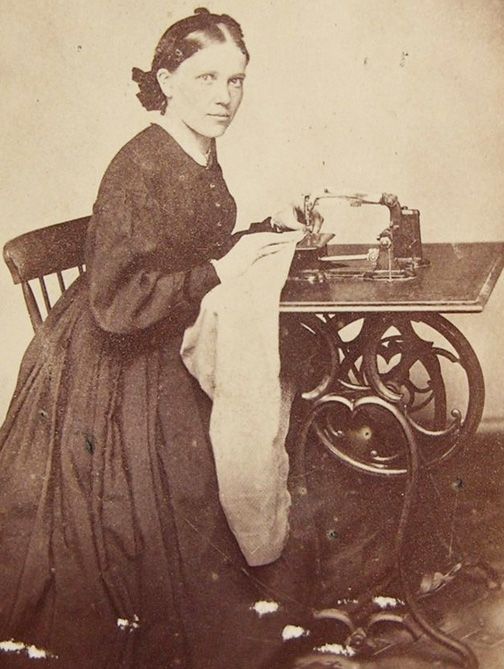
We have yet to find a photo of Lucy Lake. This photo depicts an unknown tailoress with her sewing machine, circa 1840.
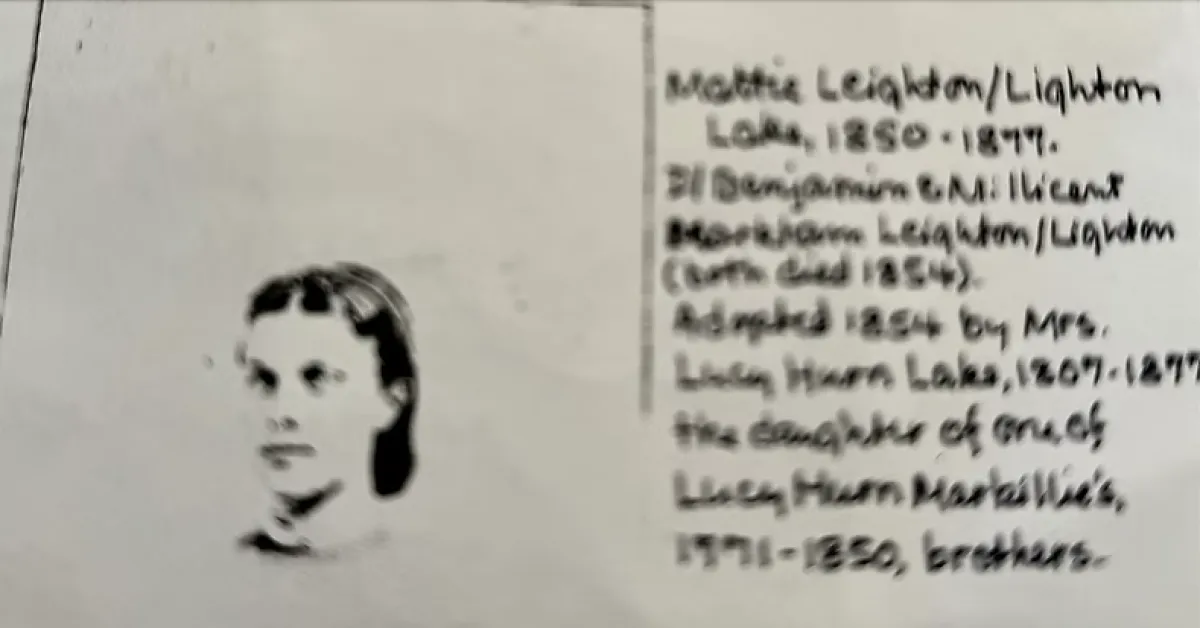
Lucy Lake's adopted daughter,
Mattie Leighton/Lighton Lake.
Mattie Lake
In 1854, Lucy adopted Mattie Leighton, whose surname also appears in historical records as Lighton.
Mattie had lost both of her parents before being welcomed into Lucy’s home and family.
She lived in the Austin-Lake House as Lucy’s adopted daughter, but her life was tragically short. Mattie died at only 27 years old.
Although fewer records remain about her life, Mattie’s story is an important part of the household and the family history connected to Lucy’s House.
The Markillie Family’s View of Early Hudson
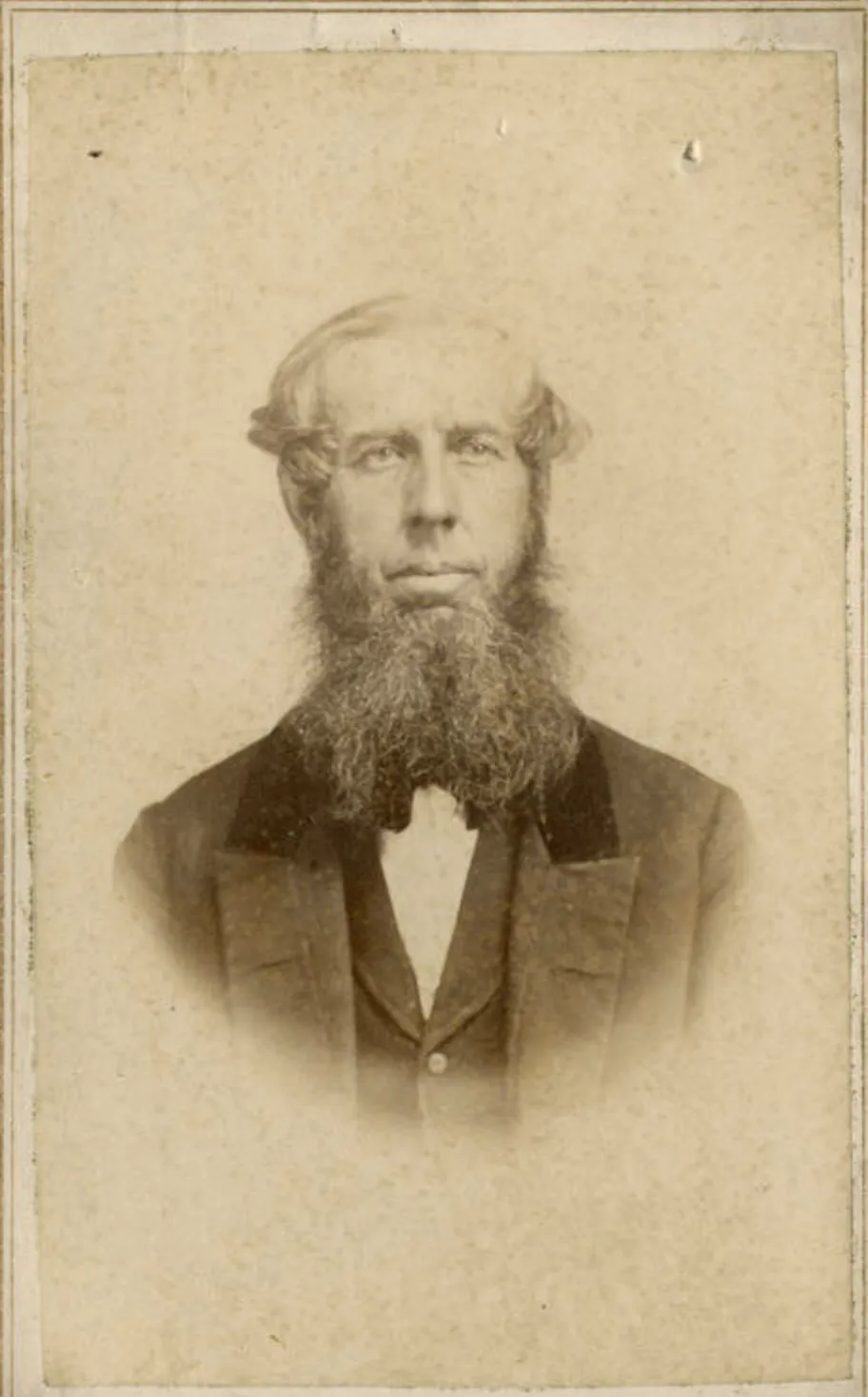
John Markillie (1860-1870 ca.)
Lucy Lake’s half-brother, John Markillie, also played a notable role in preserving Hudson’s history.
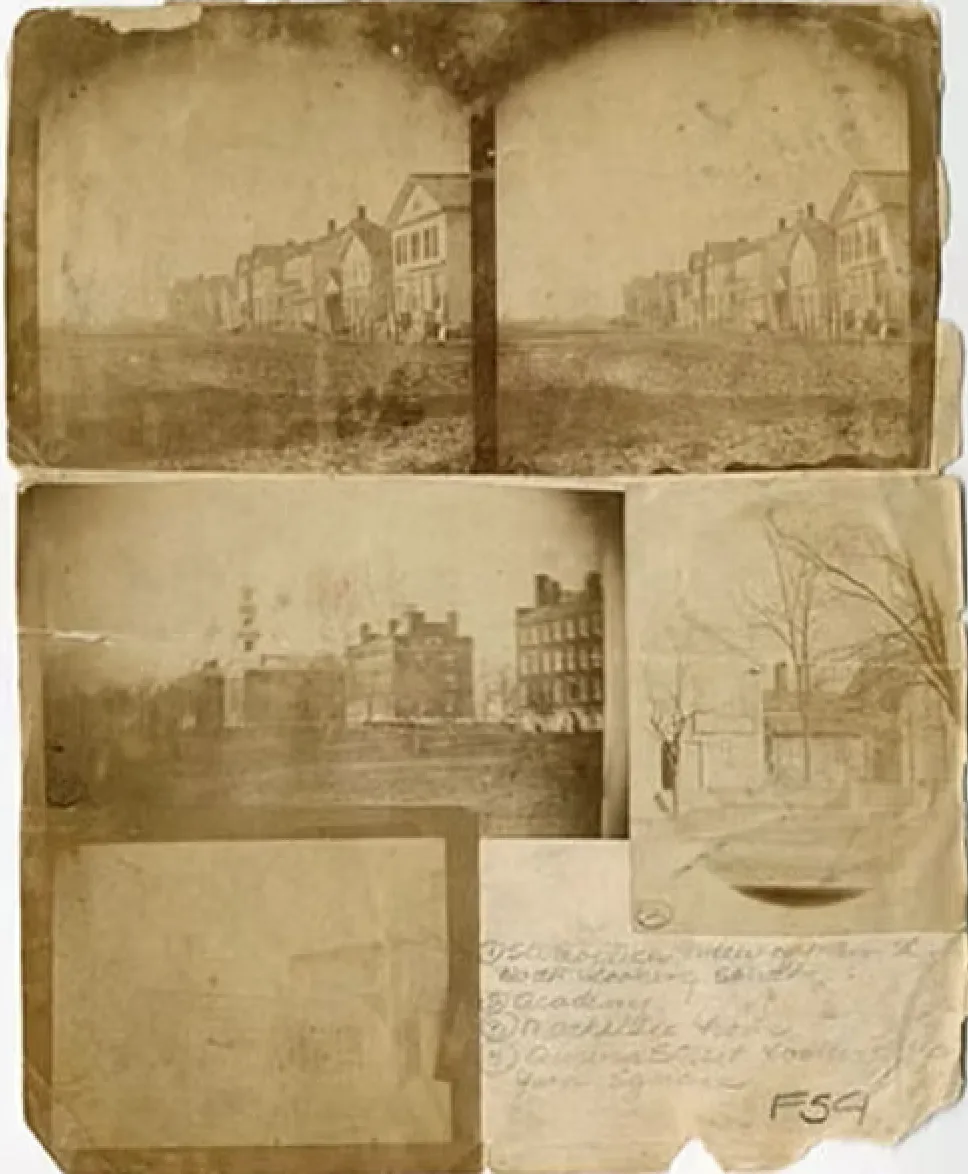
John is believed to have owned the first camera in Hudson. Beginning around 1861, he photographed the people, streets and buildings of the community.
His body of work became known as the Markillie Collection and provides an important visual record of nineteenth-century Hudson.
Among the collection are photographs showing Hudson around 1890, offering a glimpse of the community as it appeared during the later years of Lucy’s life and in the decades that followed.
Through Lucinda’s journal and John’s photographs, the Markillie family preserved both written and visual records of early life in Hudson.
A Journey from England to Hudson
Lucinda Hurn Markillie's Remarkable Journey & Journal
Lucy’s mother, Lucinda Hurn Markillie, emigrated from Lincolnshire, England, in 1833 aboard the Westmoreland, a well-known sailing ship of the era.
Lucinda documented her journey in a beautifully written journal, recording the experience of leaving England, crossing the Atlantic and traveling toward a new life in Hudson, Ohio.
Her words provide a rare personal account of early nineteenth-century immigration, including the challenges, uncertainty, courage and hope that accompanied such a journey.
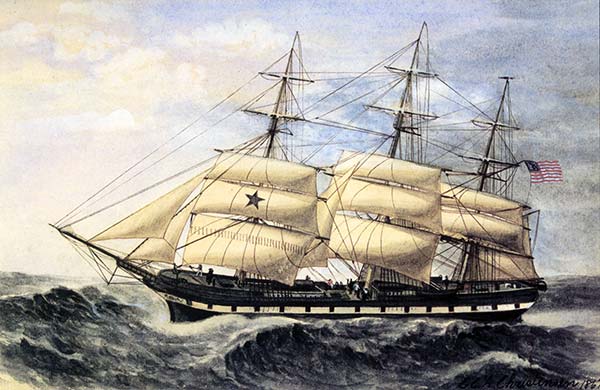
The Westmoreland
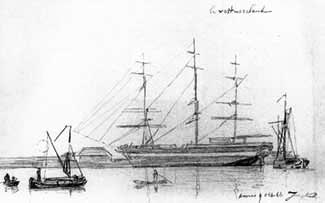
The Westmoreland
The original leather-bound journal has been carefully preserved and is now held in the Hudson Library Historical Archives. Scholars continue to study it for the insight it provides into immigration and daily life during the early 1800s.
Lucinda lived with Lucy in the Austin-Lake House until her death in 1850.
Her story connects Lucy’s House not only to Hudson’s early history, but also to the larger American story of immigration and the families who journeyed far from home in search of new opportunities.
The Westmoreland
The Saloon on Historic Main Street
Annie and Walter Walsh
Following the deaths of Lucinda in 1850 and Lucy in 1877, the property entered a different chapter.
During the late 1800s, Annie and Walter Walsh operated a saloon on Historic Main Street in connection with the property.
The saloon years reflect the evolving character of North Main Street as Hudson grew. The area was not only residential, but also a working commercial corridor where residents, merchants, laborers and travelers conducted business and gathered together.
The building’s association with the Walsh saloon adds a lively and unexpected layer to its history.
Despite this commercial use, records indicate that the house itself continued to be maintained as a private residence through the first half of the twentieth century.
Over the years, Lucy’s House served as a residence, a place of work, a center of commerce and eventually professional office space.
The home remained a private residence until 1955. After that time, it was adapted for use as offices by several businesses.
Its changing uses reflect the evolution of Hudson itself. As the community grew and Main Street changed, the house adapted while retaining its recognizable form and historic character.
Lucy and her family were part of a larger group of early Hudsonites who journeyed to Ohio and helped build the community.
Along with fellow Hudson residents David Hurn and William Doncaster, the Markillie family established deep roots in the area and contributed to Hudson’s early commercial and civic life.
Percy Dresser
Hudson's Marshal & Clock Master
One of the most historically significant later owners of Lucy’s House was Percy Dresser.
Tax and legal records show that Percy was the sole owner of 230 North Main Street from 1922 through 1955. He called the house home for 33 years.
Percy served Hudson in several civic capacities, including Town Marshal. He was also closely connected to one of the community’s most recognizable landmarks: the Hudson Clocktower.
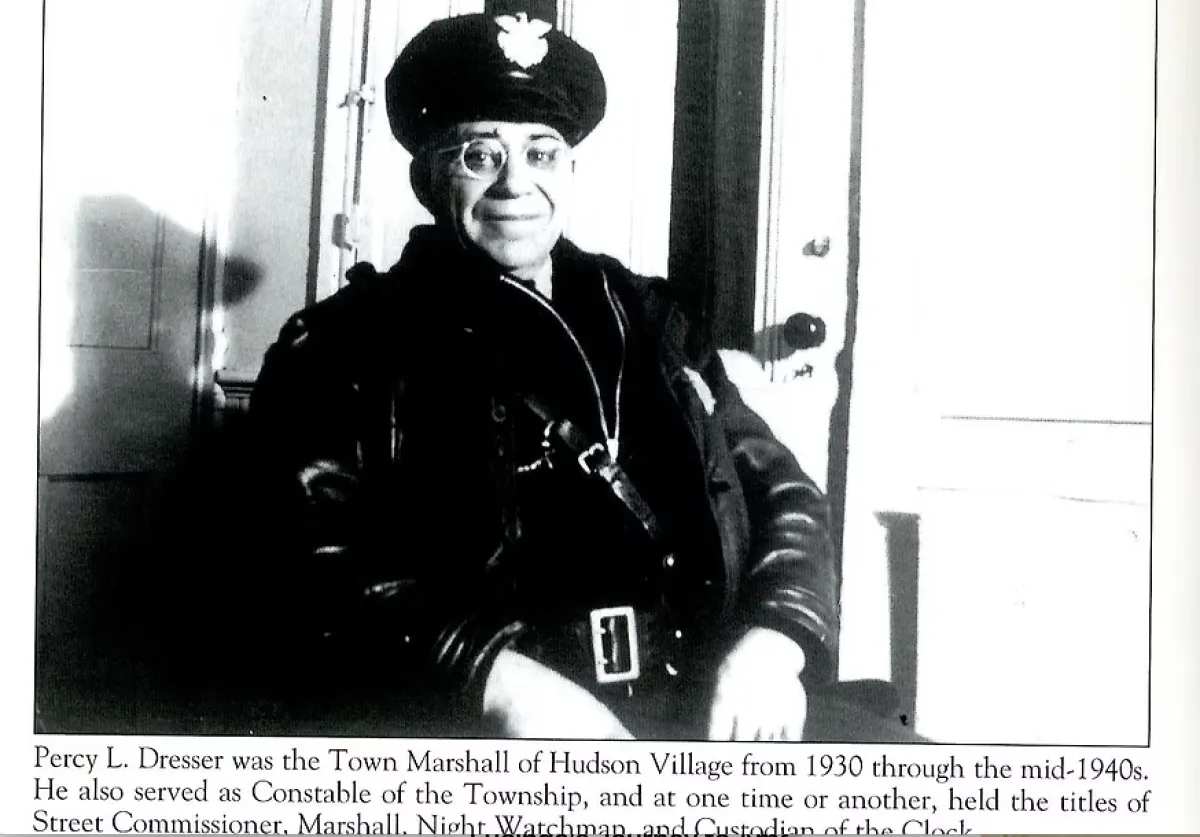
Percy Dresser
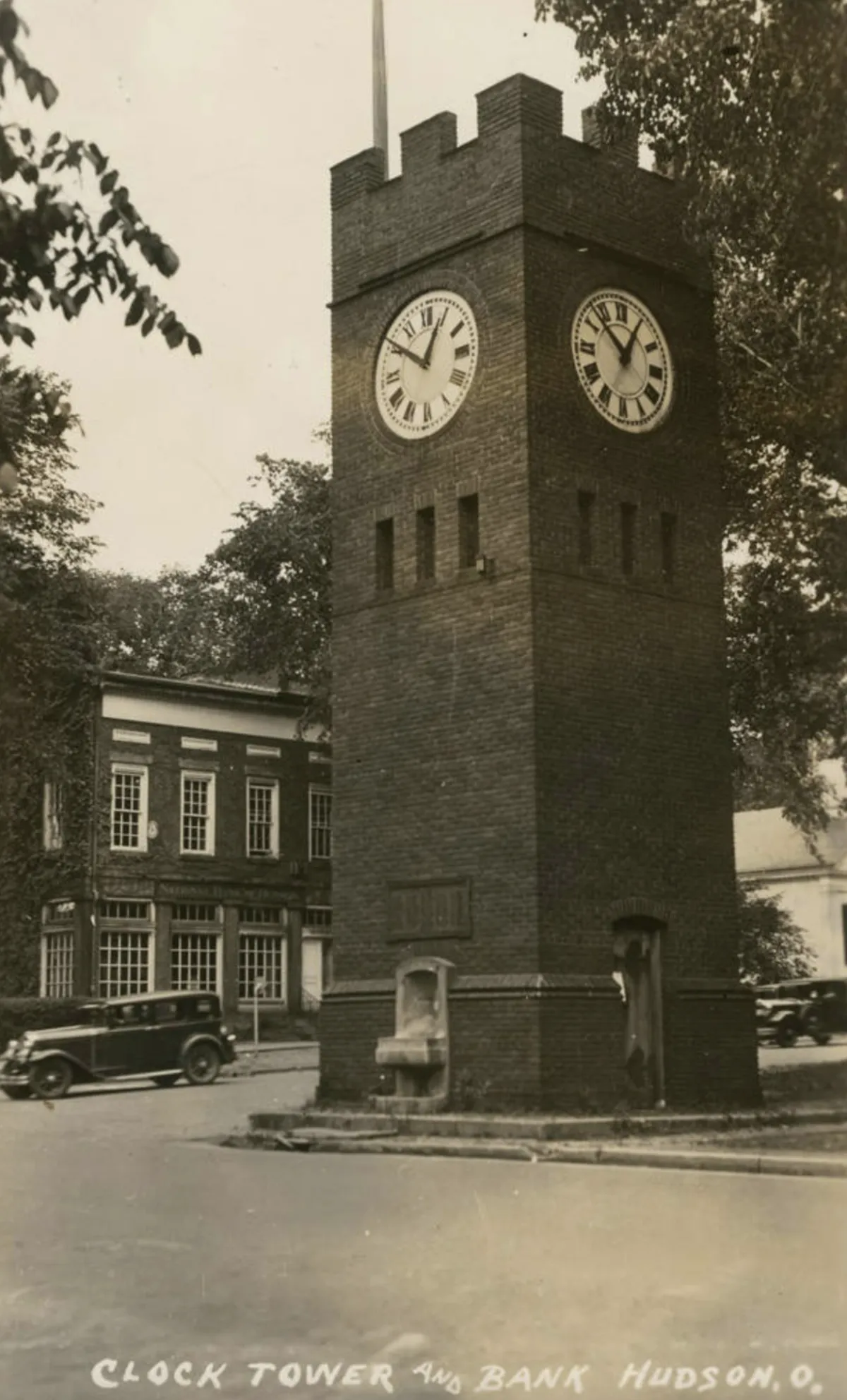
James W. Ellsworth gifted the Clocktower to Hudson in 1912. Since then, it has become an enduring symbol of the city.
Maintaining the clock required the dedication of many people over the years. Percy became one of Hudson’s most notable Clock Masters when he began winding the clock’s one-and-a-half-ton weights in 1935.
He faithfully performed that responsibility until 1950.
Percy’s years in the home created a lasting link between Lucy’s House and the Clocktower located just two blocks away. Visitors walking from the house to the Clocktower are following a route Percy himself would have traveled regularly.
While visiting the Clocktower, look closely for its three original water sources: one designed for large animals, one for smaller pets and one for the people of Hudson.
An Enduring Greek Revival Farmhouse
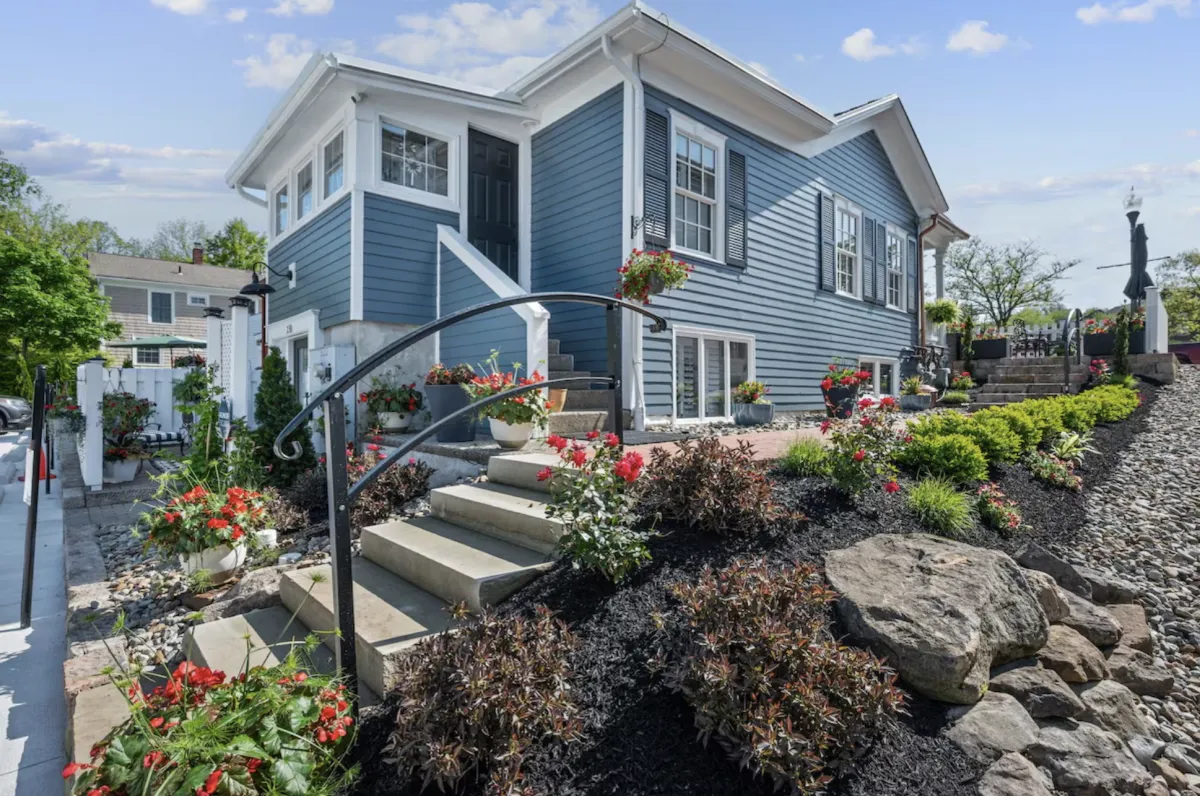
Despite its many owners and uses, Lucy’s House has retained much of its original appearance, structure and layout.
The Greek Revival farmhouse remains remarkably similar to the home Thomas Austin constructed in 1837.
Its most recognizable exterior features include:
Its traditional Greek Revival façade
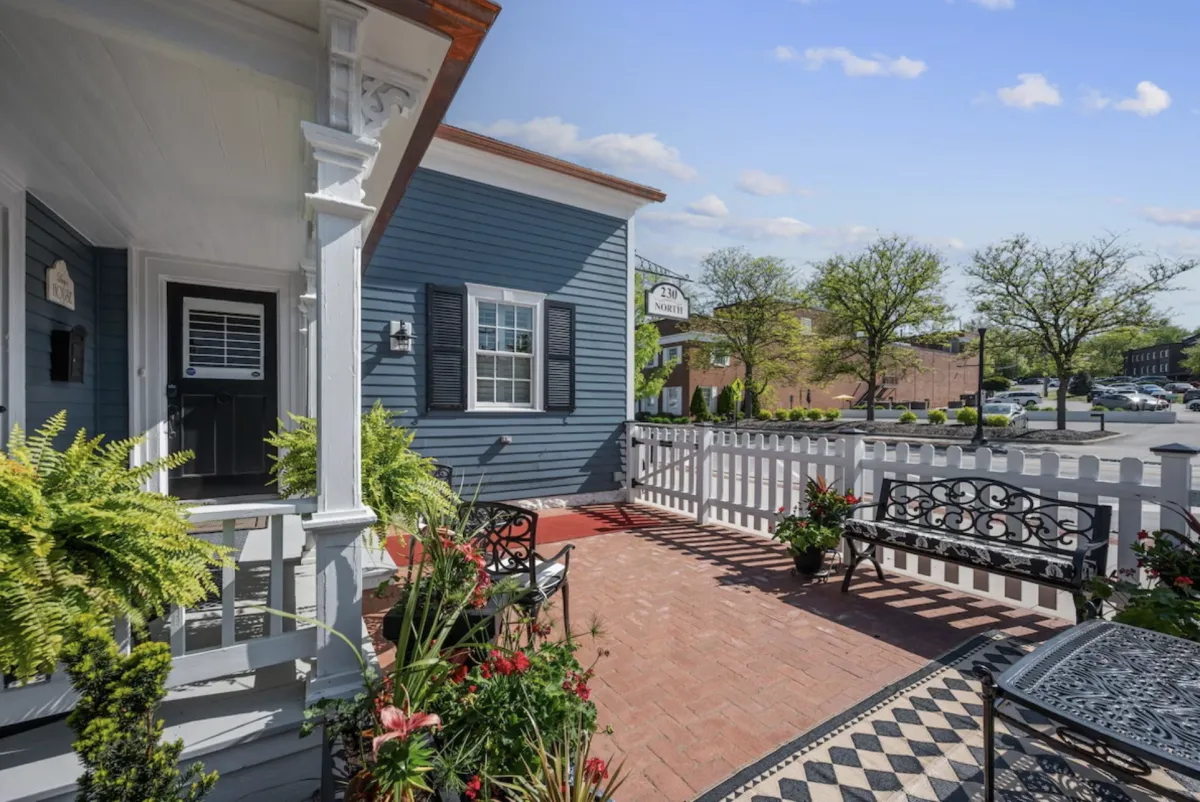
A charming covered front porch
A red brick courtyard
A white wooden fence surrounding the courtyard
Its prominent position along North Main Street
The home has been carefully preserved and restored, allowing its architectural character and historic details to remain visible.
Rather than removing the signs of age, its restoration celebrates the craftsmanship, charm and intricacies of a bygone era.
Today, Lucy’s House stands within the Wooden Section of downtown Historic Hudson. This portion of North Main Street is known for its concentration of historic wooden structures and its connection to the community’s earliest development.
In the Heart of Historic Hudson, Ohio
Lucy’s House is located steps from downtown Hudson’s restaurants, shops, coffeehouses, and historic landmarks.
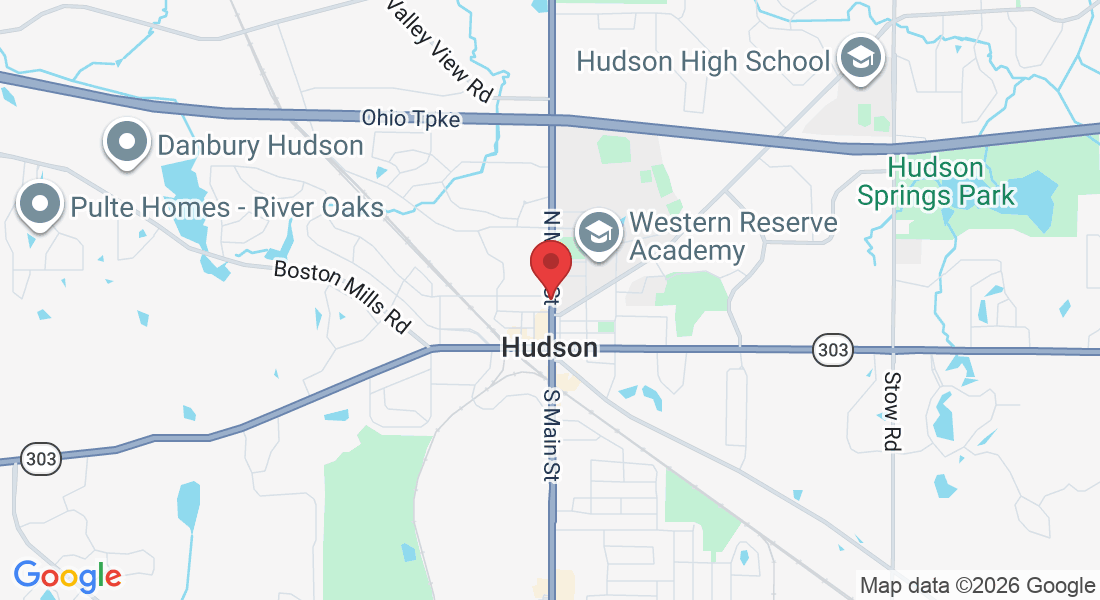
Hudson Historic District: 1 min walk
First and Main Hudson (Shopping & Dining): 3 min walk
Hudson Library & Historical Society: 5 min walk
Western Reserve Academy: 10 min walk
Cuyahoga Valley National Park: 10 min drive
Blossom Music Center: 20 min drive
CAK-Akron-Canton Airport: 30 min drive
Downtown Cleveland: 30 min drive
CLE - Cleveland Hopkins Airport: 35 min drive